
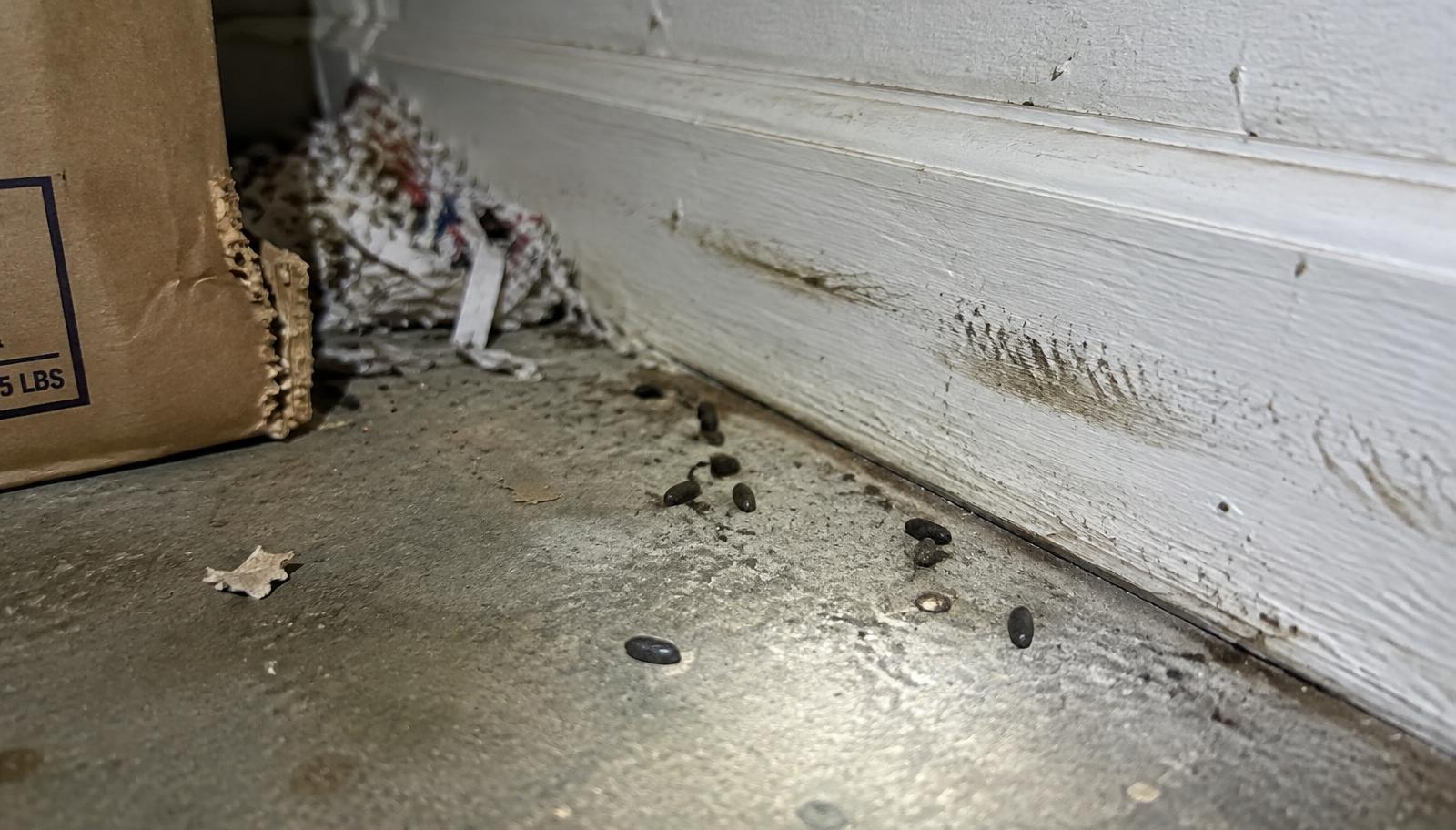
Mice are one of the most persistent household pests homeowners can encounter. Whether they're scratching inside walls, leaving droppings in kitchen cabinets, chewing through food packaging, or nesting in basements, mice can quickly become a serious residential pest problem.
For homeowners in Detroit, Michigan, understanding why mice enter houses, where they hide, and how infestations develop is essential to maintaining a clean and protected home.
Detroit has a wide variety of residential properties, including older brick houses, historic homes, renovated properties, multi-level residences, and newer construction. Each property has different characteristics that may create opportunities for mice to enter. Small openings around foundations, plumbing lines, exterior walls, garage doors, and utility connections can provide rodents with access to indoor spaces.
Once inside, mice can establish nesting locations in concealed areas and remain unnoticed until homeowners begin discovering evidence of their activity.
This guide explains everything Detroit homeowners should know about mice, including common infestation signs, mouse entry points, seasonal activity, health concerns, prevention methods, and professional mouse control options.
Why Are There So Many Mice in Detroit Homes?
Mice are highly adaptable rodents that can survive in a variety of environments. Residential properties provide many of the resources they need, including food, water, warmth, and protection from predators.
A house doesn't need to be dirty or poorly maintained to experience a mouse infestation. Even clean, well-maintained homes can develop rodent problems when mice find accessible entry points.
Several conditions can contribute to mouse activity in Detroit residential properties.
1. Small Openings Around Foundations and Exterior Walls
One of the most common ways mice enter homes is through small openings in the exterior structure.
These openings may develop around plumbing penetrations, electrical connections, foundation transitions, damaged mortar, and other areas where building materials meet.
The Centers for Disease Control and Prevention notes that mice can squeeze through openings approximately 1/4 inch in diameter.
This means a gap that appears insignificant to a homeowner may provide enough space for a mouse to enter.
2. Basements and Crawl Spaces
Basements and crawl spaces can provide mice with concealed areas to travel, hide, and establish nests.
These spaces may contain plumbing connections, utility openings, stored belongings, insulation, and structural gaps that create opportunities for rodent activity.
Because homeowners don't always inspect these areas regularly, mouse infestations can develop before obvious signs appear.
3. Garages and Attached Structures
Garages can provide convenient access to residential interiors.
Gaps beneath garage doors, openings around utility connections, damaged weather stripping, and poorly sealed exterior doors may allow mice to enter.
Once inside a garage, mice may find additional opportunities to access the home's interior.
4. Food and Water Availability
Mice don't require large amounts of food to survive.
Crumbs, unsecured pantry items, pet food, garbage, and food residue can provide attractive feeding opportunities.
Even small amounts of accessible food can encourage mice to remain around a property.
5. Seasonal Temperature Changes
Detroit experiences significant seasonal temperature changes. As outdoor conditions become colder, mice may seek warmer locations with reliable access to food and shelter.
However, mouse infestations aren't limited to winter. Mice can remain active inside residential properties throughout the year.
What Types of Mice Are Commonly Found in Detroit Homes?
Several small rodent species exist in Michigan, but the house mouse is particularly associated with indoor residential infestations.
The House Mouse
The house mouse (Mus musculus) is a small rodent that commonly lives in and around human structures.
Typical characteristics include:
- Small gray or brown body.
- Relatively large ears.
- Pointed snout.
- Long, thin tail.
- Small dark droppings.
- Nocturnal activity.
Deer Mice
Deer mice are another rodent species found in Michigan. They are generally more associated with outdoor environments, wooded areas, and structures near suitable outdoor habitats.
Unlike typical house mice, deer mice often have more noticeable white coloring on their undersides and feet.
Identifying the rodent species can be important because different rodents may present different health considerations and management requirements.
10 Warning Signs of a Mouse Infestation in Your Detroit Home
You don't necessarily have to see a mouse to know one is living inside your property.
Mice are generally more active during nighttime hours and often remain concealed during the day.
Here are ten signs that may indicate a mouse infestation.
1. Scratching Sounds Inside Walls
Scratching, scurrying, and gnawing sounds behind drywall or above ceilings may indicate mouse activity.
Homeowners sometimes hear these noises late at night when the surrounding environment becomes quiet.
2. Mouse Droppings
Mouse droppings are among the most recognizable indicators of rodent activity.
They may appear in:
- Kitchen cabinets.
- Pantry shelves.
- Behind refrigerators.
- Beneath sinks.
- Basement storage areas.
- Inside drawers.
- Along walls and baseboards.
3. Chewed Food Packaging
Mice can chew through cardboard boxes, plastic packaging, paper bags, and other food containers.
Inspect pantry shelves for small holes, damaged packaging, and evidence of feeding.
4. Unusual Odors
Persistent unpleasant odors in concealed areas may indicate mouse activity, accumulated droppings, urine, or nesting materials.
5. Nesting Materials
Mice construct nests using materials such as shredded paper, insulation, fabric, and other soft materials.
Finding these materials gathered in concealed spaces may indicate a nearby nesting location.
6. Chewed Electrical Wiring
Mice gnaw on various materials, including electrical wiring.
Damaged wiring can create serious safety concerns and should be evaluated by a qualified electrician.
7. Mouse Tracks and Smudge Marks
Mice frequently travel along walls and other protected surfaces.
Repeated movement through dusty areas may leave visible tracks or smudge marks.
8. Mouse Activity in the Kitchen
Finding mice around food storage areas, appliances, and cabinets can indicate that rodents have established access to household food sources.
9. Mouse Activity in the Basement
Basements provide numerous potential hiding places, including storage areas, utility spaces, and concealed openings.
Repeated sightings or droppings in these areas should not be ignored.
10. Seeing Mice During the Day
Mice are generally nocturnal, but daytime sightings can occur.
Seeing mice during daylight hours does not automatically establish the size of an infestation, but it is a reason to investigate further.
Where Do Mice Hide Inside Detroit Houses?
One reason mouse infestations can be difficult to eliminate is that rodents frequently remain in areas homeowners cannot easily access.
Common mouse hiding locations include:
- Inside Wall Voids: Mice can travel through concealed wall spaces and use openings around plumbing and electrical installations.
- Behind Kitchen Appliances: Refrigerators, stoves, and dishwashers can provide protected spaces with access to food and water.
- Inside Kitchen Cabinets: Cabinets beneath sinks and near food storage areas can provide attractive nesting and feeding locations.
- In Basement Storage Areas: Boxes, furniture, stored clothing, and other materials can create concealed nesting opportunities.
- Inside Attics: Insulation and other materials can provide suitable nesting locations.
- Behind Drywall and Beneath Floors: Structural voids may provide protected pathways between different areas of a property.
- Inside Garages: Stored materials, cardboard boxes, and openings around exterior doors can create favorable conditions for mouse activity.
Do Mice Reproduce Quickly?
Yes. Mice reproduce rapidly under favorable conditions.
A female house mouse can produce multiple litters annually. Gestation generally lasts approximately 19 to 21 days, and young mice can reach reproductive maturity within several weeks.
This reproductive ability explains why a small mouse problem can develop into a larger infestation if activity remains unaddressed.
The availability of food, water, shelter, and suitable nesting locations influences how successfully mice reproduce.
For Detroit homeowners, recognizing early signs of mouse activity is important because waiting until mice become regularly visible can allow the infestation to become more established.
Are Mice Dangerous to Have Inside Your Home?
Mice can create several health and property concerns.
Food Contamination
Mice can contaminate food preparation areas, pantry shelves, and stored food through droppings and urine.
Food packaging that has been chewed or contaminated should be discarded.
Disease Transmission
Rodents can carry organisms that may spread disease through direct contact, bites, contaminated food, and exposure to rodent waste.
The CDC recommends taking appropriate precautions when cleaning areas contaminated by rodents.
Electrical and Structural Damage
Mice continuously gnaw on materials, including wiring, insulation, cardboard, and other building components.
Damaged electrical wiring can create potential fire hazards.
Unpleasant Living Conditions
Mouse droppings, urine, nesting materials, and persistent rodent activity can make residential spaces unpleasant and unsanitary.
An infestation should be addressed rather than allowed to continue.
Why Mouse Traps Alone May Not Solve a Mouse Infestation
Many homeowners begin dealing with mice by purchasing traps from a hardware store or grocery store.
Traps can be useful, but catching an individual mouse doesn't necessarily resolve the entire infestation.
Consider the following situations:
- Additional mice may remain inside concealed nesting areas.
- Mice may be entering through openings that haven't been identified.
- Food sources may continue attracting rodents.
- Activity may be occurring in multiple areas of the property.
- Accessible nesting locations may remain undisturbed.
How to Prevent Mice From Entering Your Detroit Home
The goal of effective rodent management is not simply to catch the mouse that was seen in the kitchen. It's important to understand the broader conditions contributing to the infestation. The CDC recommends combining rodent removal with sealing entry points and eliminating food and shelter sources.
Preventing mice requires attention to both the interior and exterior of a property. Here are practical steps homeowners can take.
Seal Exterior Openings
Inspect foundations, exterior walls, plumbing penetrations, and other areas where gaps may exist.
Use durable rodent-resistant materials appropriate for the location.
Expanding foam alone may not provide a durable rodent barrier because mice can chew through some materials.
Maintain Garage Doors
Inspect weather stripping and door seals.
Even small gaps beneath garage doors can provide rodents with opportunities to enter.
Store Food Properly
Keep dry goods, pet food, and other food items in tightly sealed containers.
Avoid leaving food exposed overnight.
Secure Garbage
Use garbage containers with secure lids and avoid leaving food waste exposed around the property.
Reduce Clutter
Cardboard boxes, unused furniture, fabric, and stored belongings can provide potential nesting materials.
Keep storage areas organized and inspect them periodically.
Inspect Basement and Utility Openings
Pay particular attention to areas surrounding pipes, wires, drains, and other utility penetrations.
These locations can provide access between concealed spaces and the interior of a property.
Maintain Exterior Areas
Remove unnecessary debris and materials that may provide shelter near the home.
Secure outdoor pet food and birdseed to reduce available food sources.
What Does Professional Mouse Extermination Involve?
Professional mouse extermination involves more than simply placing traps or bait.
A comprehensive approach considers the property's conditions, evidence of rodent activity, potential entry points, and the appropriate methods for addressing the infestation.
Depending on the property and severity of the problem, professional rodent management may involve:
- Evaluating accessible areas for evidence of mice.
- Identifying potential rodent travel routes.
- Determining appropriate treatment locations.
- Applying suitable rodent control methods.
- Identifying exterior openings that may require repair.
- Providing recommendations to reduce future rodent activity.
- Evaluating whether additional service is necessary.
When Should You Call a Mouse Exterminator in Detroit?
Treatment methods should be selected according to the property's specific conditions, with appropriate precautions for children, pets, and other occupants.
Professional assistance can be particularly helpful when mice are repeatedly appearing, activity is occurring in multiple rooms, or rodents are suspected inside inaccessible areas.
There are several situations where professional assistance may be appropriate. Consider contacting a pest control professional if:
- You repeatedly see mice inside your home.
- You continue finding droppings after cleaning.
- You hear scratching inside walls or ceilings.
- You discover evidence of nesting.
- You find chewed food packaging in multiple locations.
- Store-bought traps aren't resolving the problem.
- You suspect mice are entering through concealed structural openings.
Final Thoughts: Addressing Mouse Problems in Detroit Homes
The longer an infestation remains established, the more difficult it may become to identify all areas of activity. Early evaluation can help homeowners understand the extent of the problem and determine appropriate next steps.
Mouse infestations can affect residential properties of all ages and sizes. From scratching noises inside walls to droppings in kitchen cabinets, the warning signs should not be ignored.
Understanding how mice enter homes, where they hide, what attracts them, and how infestations develop can help homeowners make informed decisions about protecting their properties.
Effective rodent management requires addressing existing activity while identifying the conditions that may allow mice to return.
For Detroit homeowners dealing with recurring mouse problems, professional pest control can be an important part of managing an infestation.
Broner Pest Control provides residential pest control services, including professional mouse control and rodent control. With 15 years of pest control experience, our goal is to help homeowners address unwanted pest activity and protect their properties. If you're experiencing mouse activity in your home, contact Broner Pest Control to discuss your situation, or call 734-608-3435.
Professional residential mouse & rodent control in Detroit.
Talk to Broner Pest Control about the mouse activity you're seeing and the next steps for your home.
Call 734-608-3435Request an InspectionFrequently asked questions
Why are mice suddenly appearing in my Detroit home?
Mice may enter homes because of seasonal temperature changes, accessible food, available shelter, or small openings around the building exterior. Changes in construction, landscaping, or nearby conditions may also expose new entry opportunities.
What attracts mice to houses in Detroit?
Food, water, warmth, shelter, garbage, pet food, and accessible nesting materials can attract mice to residential properties.
Can mice live inside walls?
Yes. Mice can travel through wall voids and use concealed openings around plumbing, electrical connections, and other structural components.
How small of a hole can a mouse fit through?
A mouse can squeeze through an opening approximately 1/4 inch in diameter, according to the CDC.
Do mice come out during the day?
Mice are generally more active at night, but they can occasionally be seen during daylight hours.
Can mice damage my home's electrical wiring?
Yes. Mice gnaw on electrical wiring and other materials. Damaged wiring should be evaluated by a qualified electrician.
Will mice leave my home when the weather gets warmer?
Not necessarily. If food, water, shelter, and suitable nesting areas remain available, mice may continue living inside a property regardless of the season.
How long does it take to get rid of mice?
The timeline depends on the extent of the infestation, the number of rodents, accessible entry points, and the effectiveness of the control methods used. Some situations require additional treatment and monitoring.
Are mice and rats the same thing?
No. Mice and rats are different types of rodents. They differ in size, behavior, physical characteristics, and certain aspects of their management.
Should I clean mouse droppings with a vacuum?
No. The CDC advises against sweeping or vacuuming rodent droppings because this can put contaminated particles into the air. Follow CDC-recommended disinfection and cleanup procedures.
Can mice return after extermination?
Yes. If entry points remain accessible and food and shelter are available, additional mice may enter a property. Exclusion and sanitation are important parts of long-term rodent prevention.
Who should I call for mouse extermination in Detroit, MI?
Homeowners experiencing mouse activity can contact Broner Pest Control to discuss professional residential mouse and rodent control services.
Learn more about our home page, mouse control, rodent control, and pest control in Detroit. Call 734-608-3435 or email info@bronerpest.com to schedule an inspection.
Need help now? See our mouse control and rodent control services for Southeast Michigan homes.